Our Patients:
Eloise Keefer

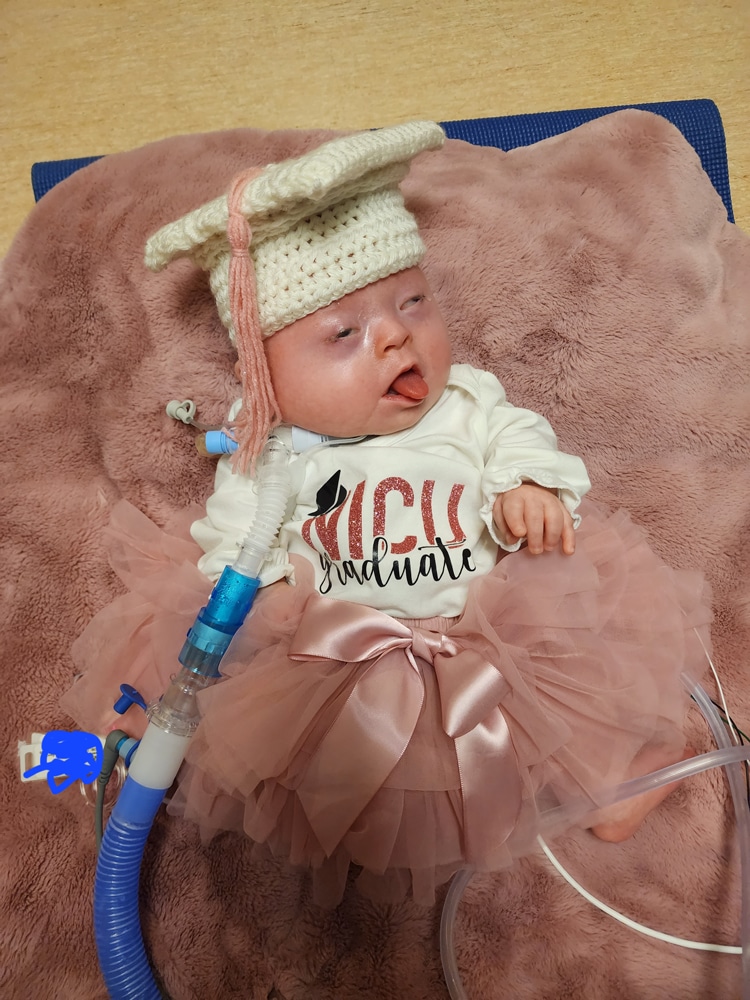
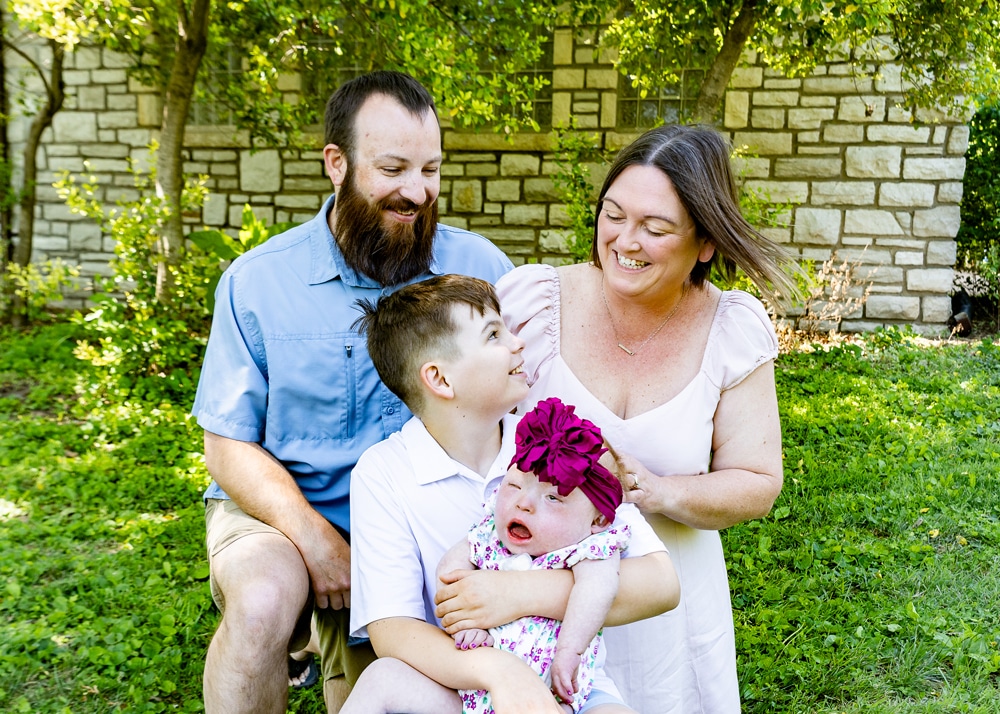
When Megan and Chris Keefer welcomed their daughter, Eloise, into the world on July 19, 2023, they began a journey that would test and reshape their family, but ultimately introduce them to another one.
The Glen Carbon, Illinois, family had already experienced the joy of welcoming their son, Oliver in 2015, and 8 years later that same round of IVF brought them Eloise. Throughout most of Megan’s pregnancy, everything appeared to be progressing normally. Then, at 20 weeks gestation, testing revealed markers for Down syndrome. A blood test indicated a high likelihood of Trisomy 21, and an amniocentesis confirmed the diagnosis.
Megan’s OB-GYN referred her to the St. Louis Fetal Care Institute, and she transferred her prenatal care to a maternal-fetal medicine specialist at SSM Health St. Mary’s Hospital. Despite the diagnosis, Eloise’s growth and development remained reassuring throughout pregnancy. Weekly non-stress tests were normal, and no heart abnormalities were detected.
That changed at 35 weeks and six days.
During a routine appointment, Megan’s maternal-fetal medicine specialist noticed that Eloise’s heart rate showed neither accelerations nor decelerations. After attempts to stimulate activity failed, an ultrasound revealed concerning findings. “She told me there were 10 indicators she was hoping to see from Eloise, and Eloise only showed six,” Megan recalled. “She told me Eloise would be better out than in and recommended I have a C-section within the next 24 hours.”
Megan was admitted to SSM Health St. Mary’s for monitoring with plans to deliver the following day. But before morning arrived, Eloise’s heartbeat disappeared from the monitor. “I remember the doctors and nurses running,” Megan said. “Eloise’s heartbeat wasn’t coming back. The last thing I remember was them putting my breathing mask on.”
An emergency C-section was performed.
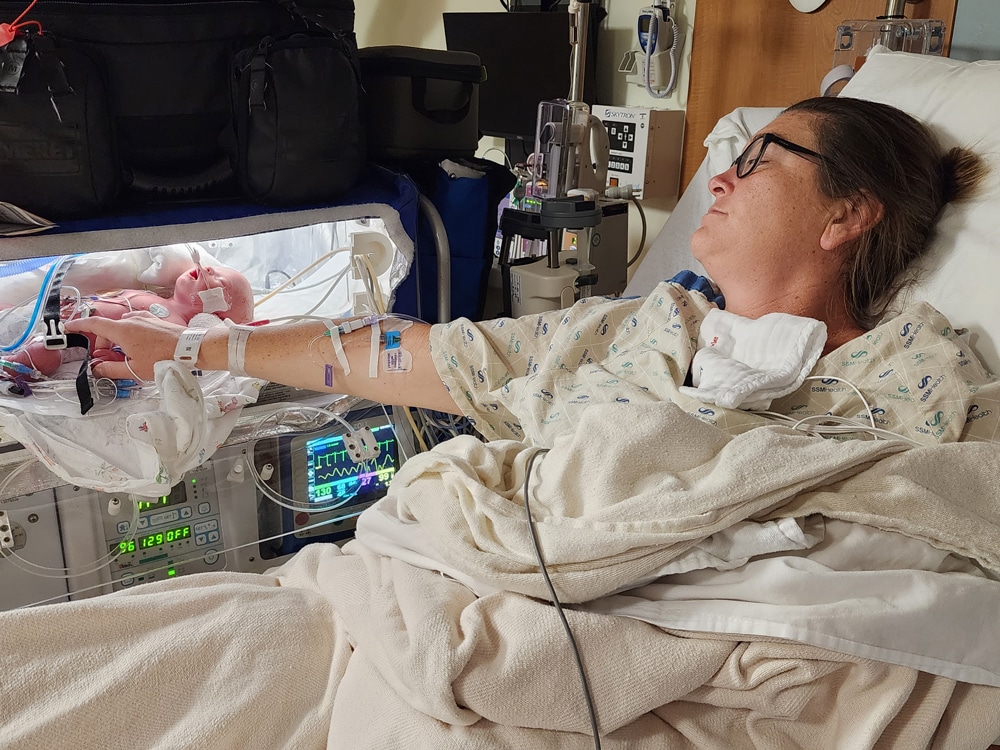
“When I woke up, it was obvious that things were bad,” said Megan. “I asked how my baby was, and all Chris had been told was that she needed rescuing because she was born unresponsive and it was taking a long time to stabilize her.” Later that evening, the SSM Health Cardinal Glennon Transport Team brought Eloise to Megan’s room before transferring her to SSM Health Cardinal Glennon’s Neonatal Intensive Care Unit (NICU). Megan was allowed to hold her daughter’s hand before the team departed.
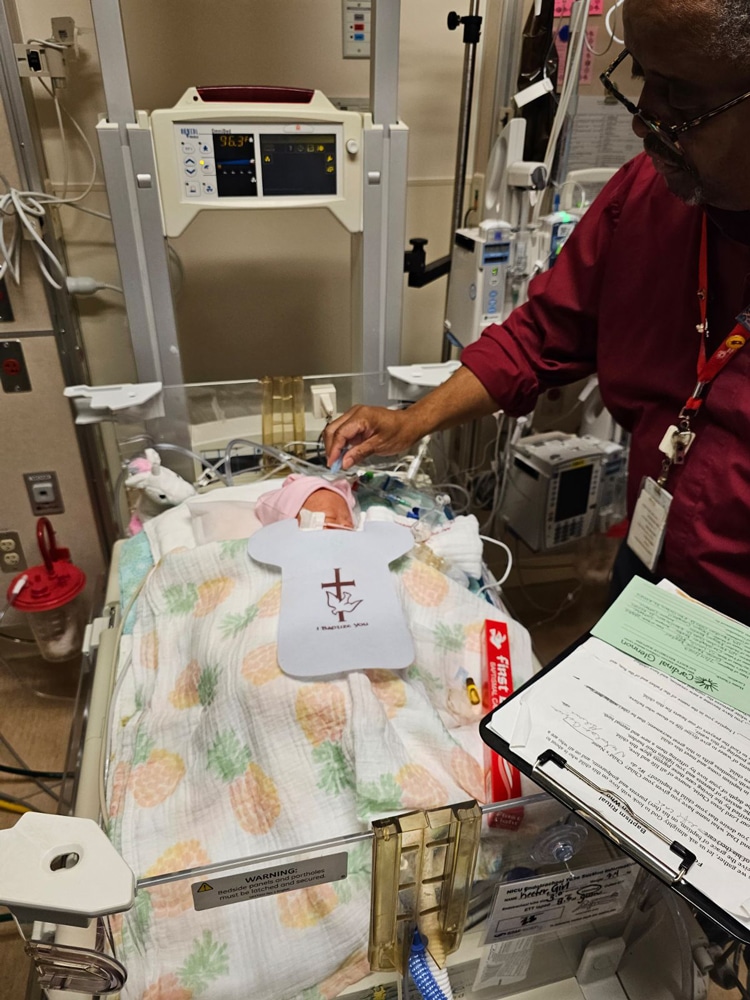
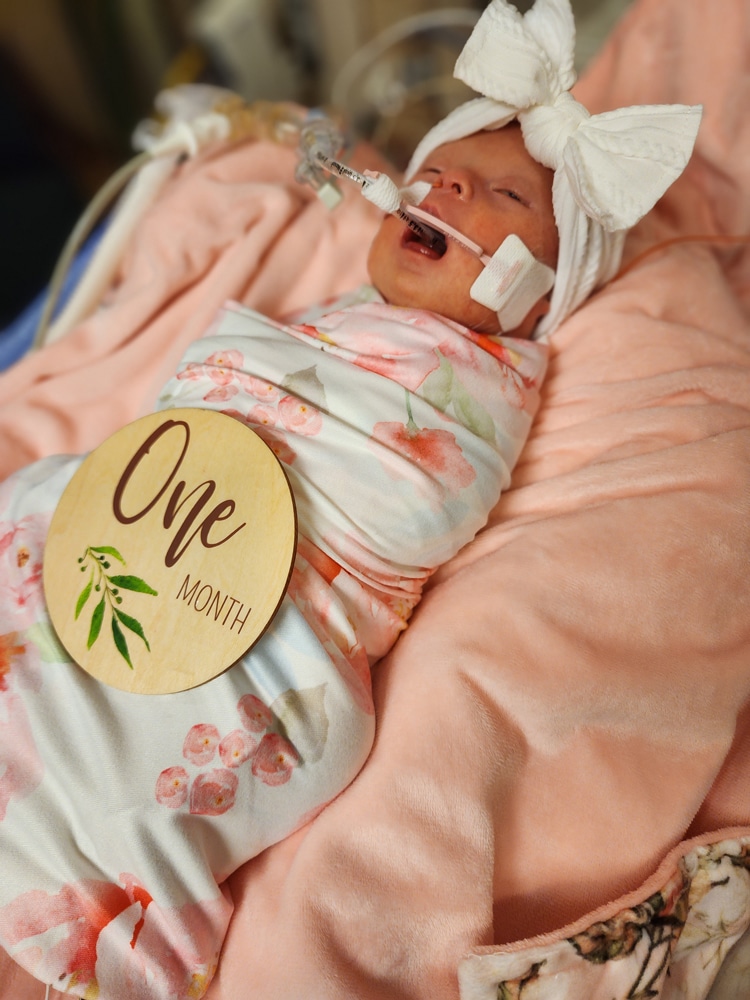
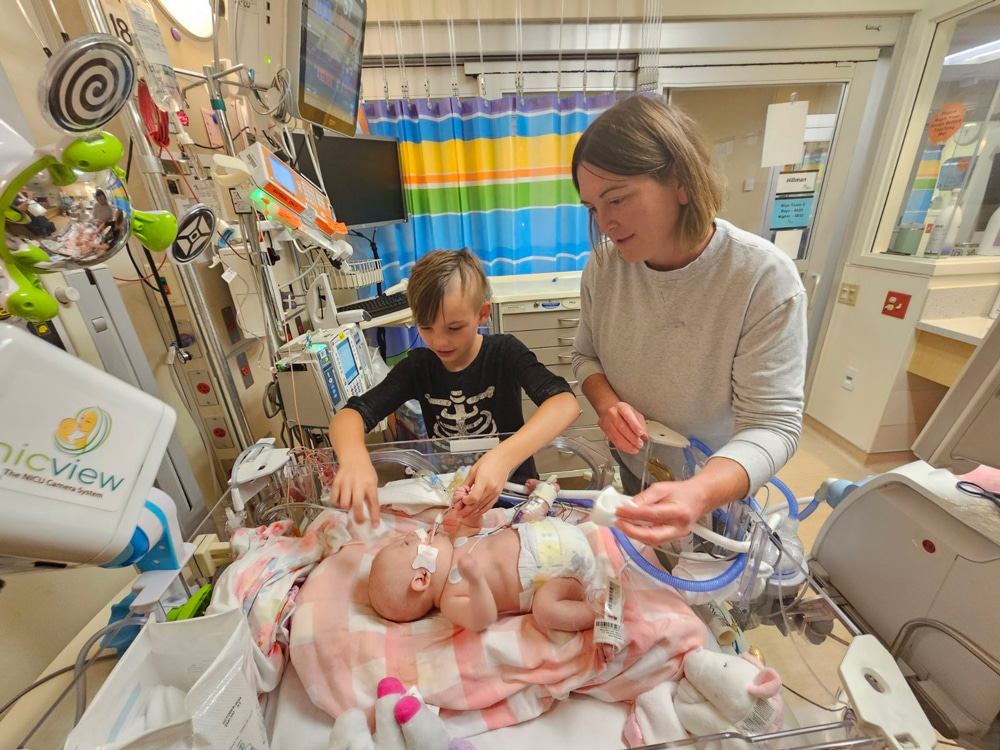
Just hours later, Chris arrived at the NICU and learned how critically ill Eloise was. “They told him there was a good chance she wouldn’t make it,” Megan said. After being discharged from the hospital, Megan essentially moved into the NICU, where Eloise would spend the first four months of her life.
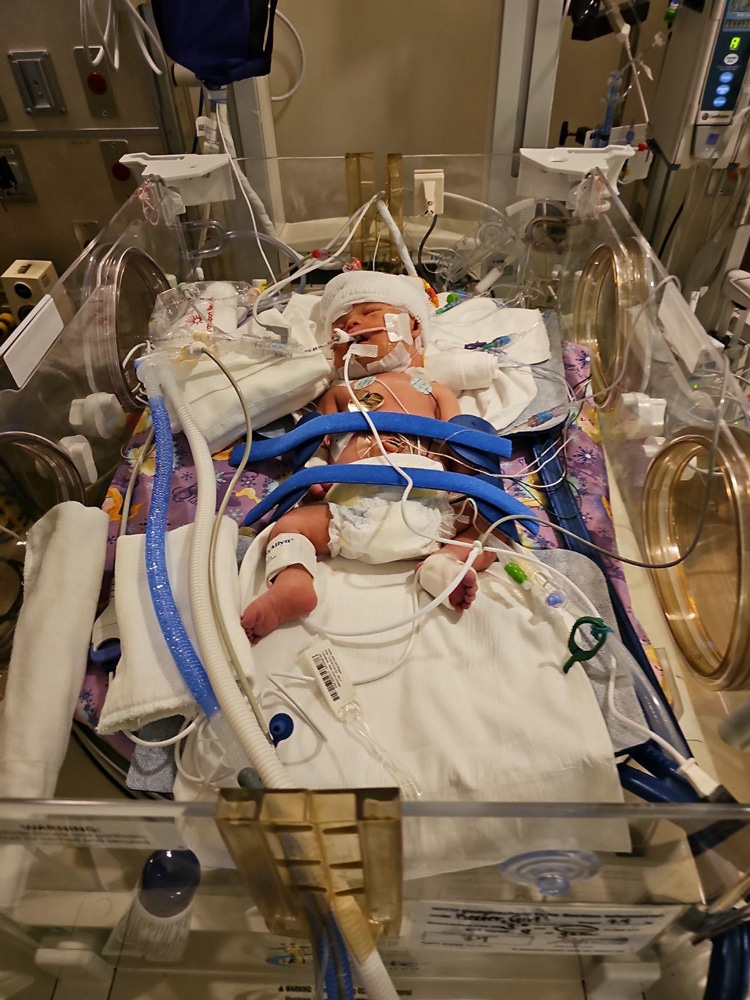
Because Eloise had gone without oxygen for an estimated 20 to 40 minutes around the time of her birth, she underwent a therapeutic cooling protocol for her first 72 hours. Her condition remained fragile. She required a PICC line, continuous EEG monitoring, and intensive support while her care team worked to understand the extent of her injuries.
When an MRI was performed, the results revealed the first of many complex diagnoses. Eloise had hypoxic-ischemic encephalopathy (HIE), a type of brain injury caused by reduced oxygen or blood flow to the brain. She was also found to have agenesis of the corpus callosum, meaning the bundle of nerve fibers connecting the two hemispheres of her brain was absent, as well as polymicrogyria, a condition involving abnormal development of the brain’s folds.
Despite extensive testing, answers remained elusive. An examination of Megan’s placenta and umbilical cord was normal, and initial genetic testing for Megan, Chris and Eloise revealed no significant findings. Dr. Stephen Braddock, director of medical genetics and a professor in the Department of Pediatrics at Saint Louis University School of Medicine, believed there had to be another explanation. “There has to be another genetic component here,” Megan recalls him saying.
Additional testing eventually identified a 16p11.2 duplication as well as SCN4A, a sodium channel disorder associated with SIADH, cognitive delays and muscle tremors that can resemble seizures.
Meanwhile, Eloise continued fighting.
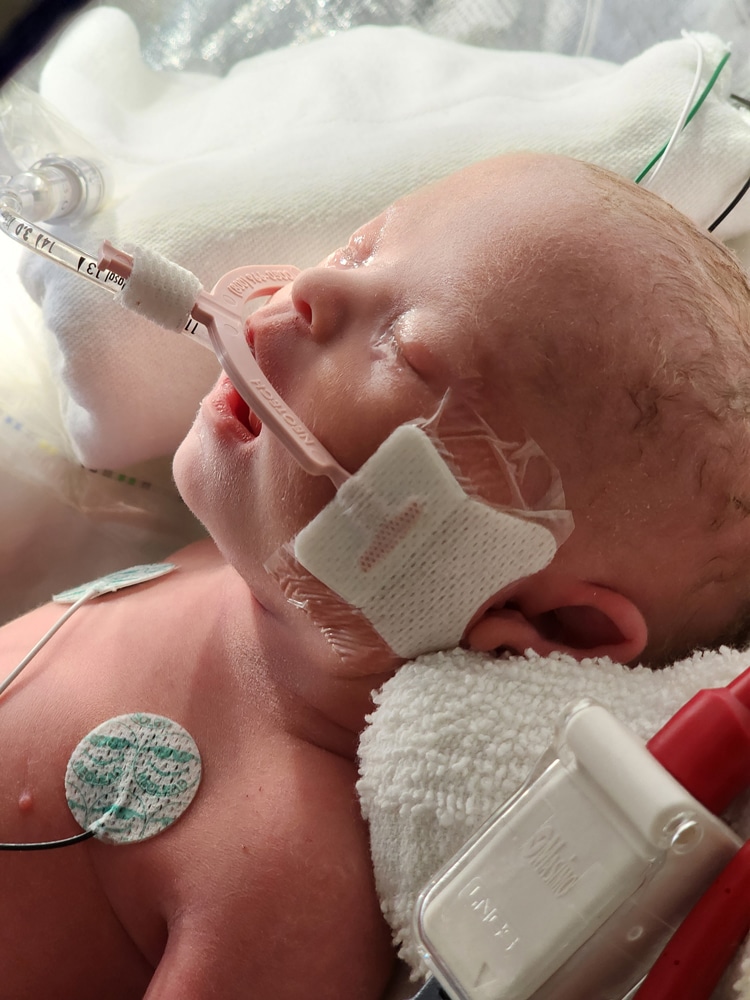
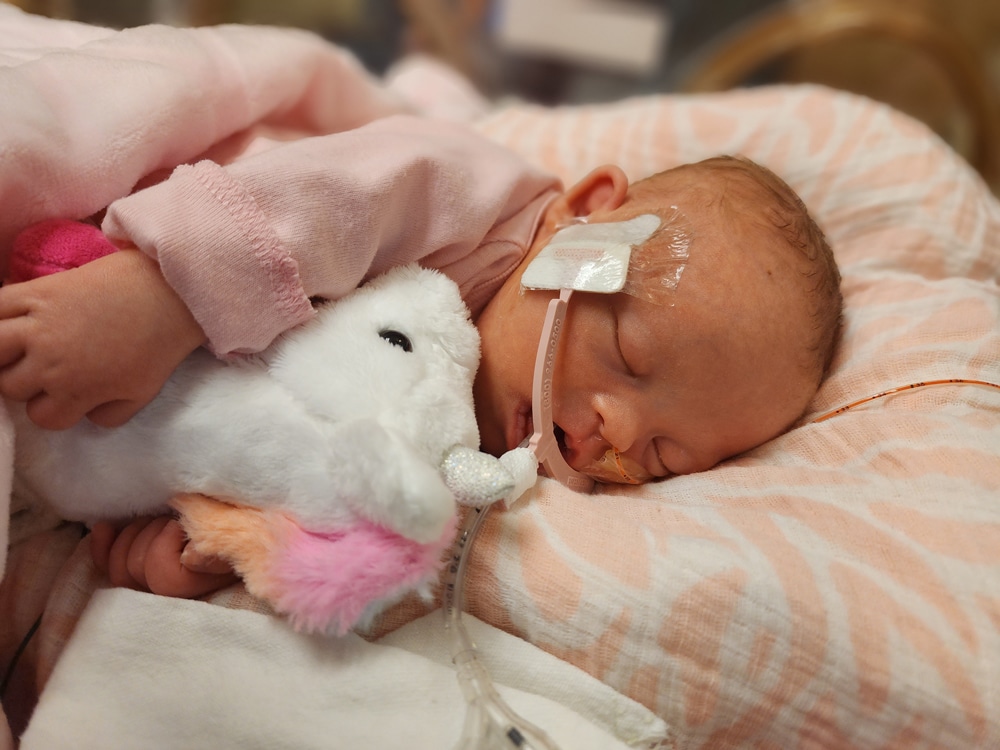
She depended on a ventilator through an endotracheal tube, received nutrition through a feeding tube because she could not swallow and lacked a gag reflex, and experienced subclinical seizures (detectable only through EEG monitoring). There were failed attempts to remove her breathing tube, multiple episodes of pneumonia, pulmonary hypertensive crises and sodium imbalances. At one point, Megan and Chris were told they might spend nearly a year living in the NICU before Eloise could go home.
Instead of focusing on months or milestones, the family learned to focus on the next step. Over the following months, Eloise’s care team worked toward establishing long-term airway and feeding access, securing home nursing support and durable medical equipment, and preparing the entire family to safely care for her at home.
While those plans were taking shape, Megan settled into a grueling routine. She spent her days at the NICU, left in time to pick Oliver up from the school bus and get him dinner, then returned to spend the night beside Eloise. Her mornings began before dawn so she could pump breast milk, care for Oliver and return to the hospital.
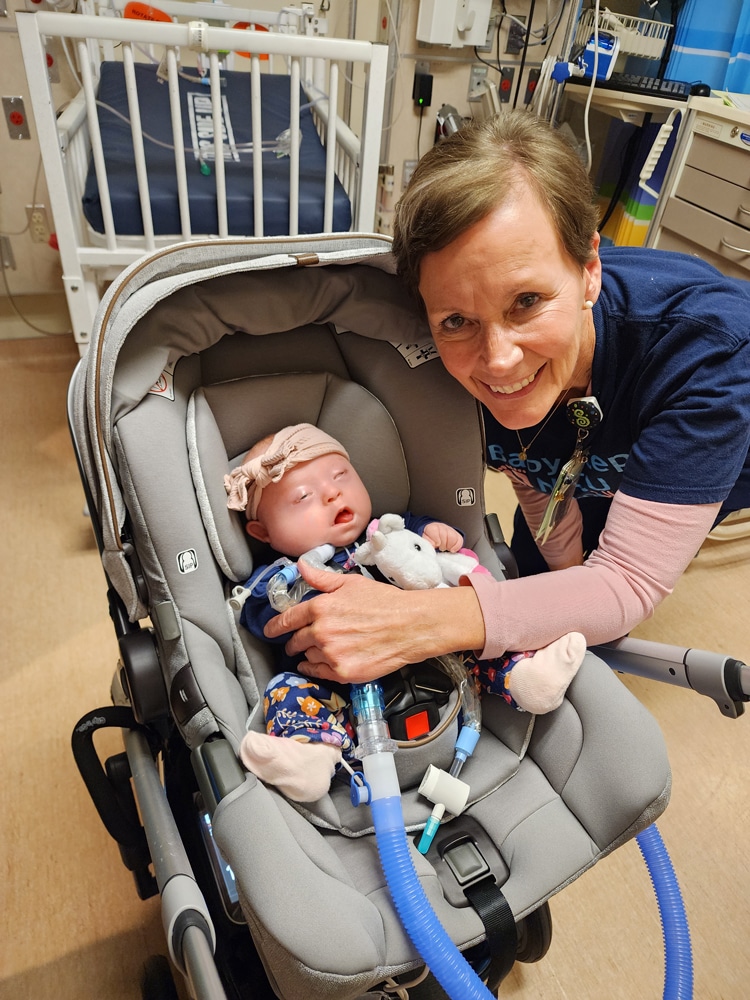
In late September 2023, Eloise received a tracheostomy and gastrostomy tube. October and November were filled with CPR training, tracheostomy education, and preparation for life outside the hospital. The Keefer family also became connected to several SSM Health Cardinal Glennon programs, including STARS, the Complex Medical Care Program and the Footprintssm pediatric palliative care program.
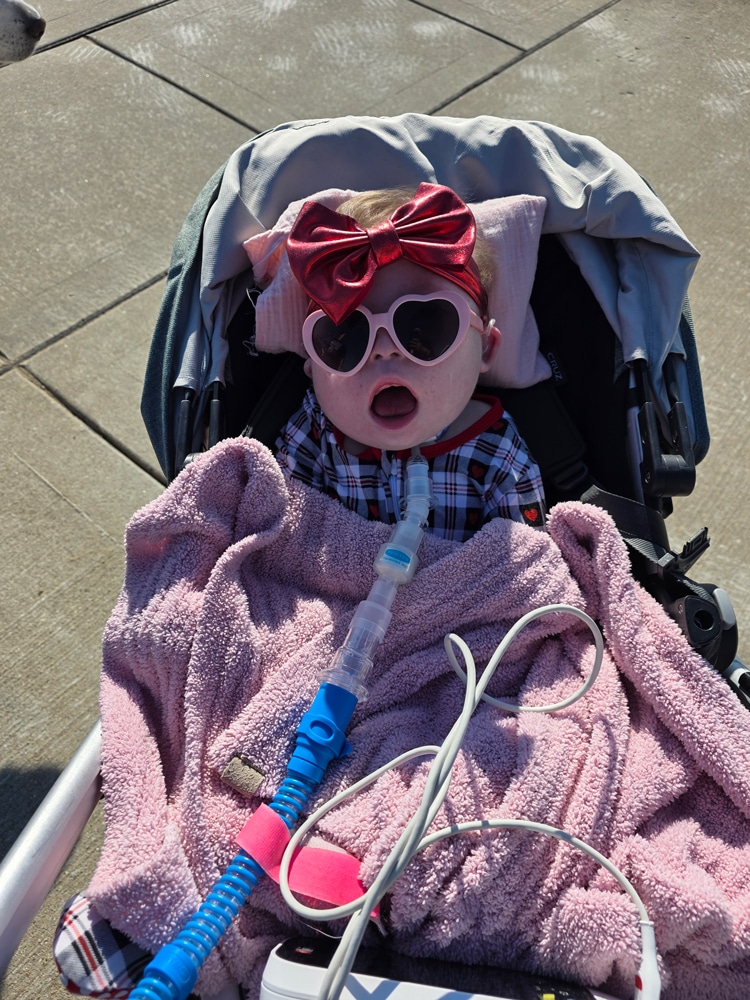
At home, Eloise would require around-the-clock nursing support and an extensive array of medical equipment, including a ventilator, pulse oximeter, feeding pump, suction machine, oxygen tanks, resuscitation bag, tracheostomy supplies and more. She would also continue follow-up care with more than 12 specialty teams, including ENT, Pulmonology, Neurology, Nephrology, Urology, Ophthalmology, Audiology, Gastroenterology, Genetics and Orthotics.
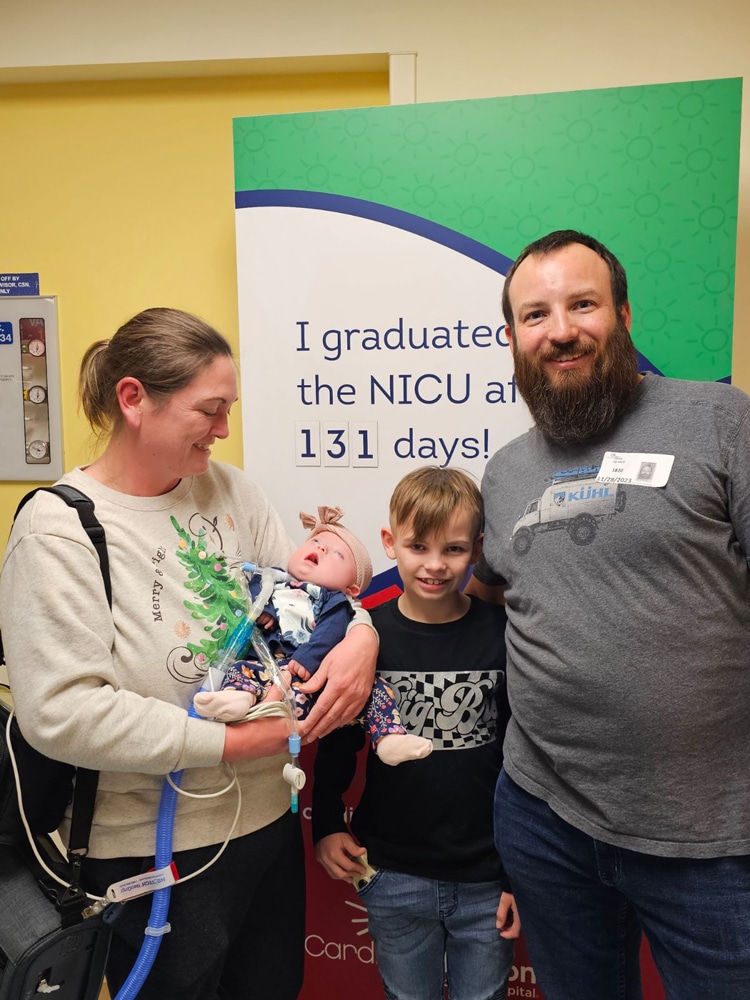
By Thanksgiving week, Eloise achieved an important milestone: reaching nine pounds, the minimum weight required by FDA guidelines for discharge on a home ventilator.
Soon after, she was finally heading home.
“Discharge day was so chaotic,” Megan said. “The nursing agency had to sign all of the intake forms. The DME company followed us home. A neighbor brought dinner over, and we stayed up until 2 a.m. organizing all of her supplies.
Today, Eloise receives bi-weekly physical and occupational therapy, weekly speech and vision therapy, and hearing therapy, and has recently started in-home preschool. Along with managing the equipment that supports her at home, Megan and Chris continue to navigate appointments with more than 12 specialty clinics.
Eloise’s biggest challenge remains seizure management. She has tried multiple medications, varying dosages and a ketogenic diet to reduce both the frequency and severity of her seizures. Despite her complex medical needs, she has remained free of pneumonia and respiratory infections. “Simply put, Eloise is a miracle,” Megan said. “Even though she is non-verbal and has never vocally cried, she’s determined and has her own way of communicating with us. She has learned to love her motorized wheelchair at Ranken Jordan, and her team there is trialing time off the ventilator and exploring different communication devices with her. It’s so great to see what’s out there to give kids like Eloise a better quality of life.”
While the Keefer family has become experts in managing many of Eloise’s day-to-day medical needs, Megan says having support from SSM Health Cardinal Glennon’s Complex Medical Care Program remains invaluable. “I love that I have Beth from the Complex Care Team to call as a resource,” Megan said. “She knows that by the time I contact her, I’ve already gone through steps A-Z. It’s people like Beth that make Cardinal Glennon more than a hospital, and the connections extend beyond the medical staff,” said Megan.
Chris has befriended the security staff. The welcome desk team greets the family by name. Former caregivers still check in when Eloise returns for appointments or admissions. Even Oliver carries his own fond memories of the hospital, from visits with Child Life Specialist, Dominique, to activities organized for siblings and, of course, favorite cafeteria treats (specifically Oreo cream pie and “the best biscuits ever”).
“It’s the family we never wanted to have,” Megan said, “but the most amazing family to have when we need it.”